Deep Cleaning for a Healthier, Fresher, and More Comfortable Home
What Deep Cleaning Really Means
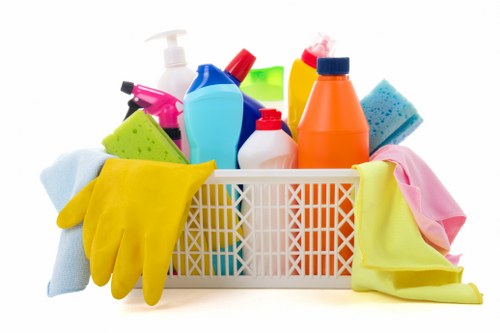
Deep cleaning is more than a quick tidy-up or a routine surface wipe. It is a thorough cleaning process that targets dirt, dust, grime, and bacteria in places that are often overlooked during regular housekeeping. When people think about deep cleaning, they often imagine a spotless home, but the real value goes much further. It helps improve hygiene, reduce allergens, create a more pleasant living environment, and extend the life of surfaces, fabrics, and appliances.
Unlike basic cleaning, which focuses on visible messes, deep cleaning addresses the hidden buildup that accumulates over time. This includes baseboards, behind furniture, inside cabinets, light fixtures, vents, and other hard-to-reach areas. In homes, offices, rental units, and commercial properties, deep cleaning plays an important role in keeping spaces healthy and presentable.
For many households, the idea of deep cleaning can feel overwhelming. However, breaking it into manageable sections makes it easier to approach. Whether you are preparing for a special event, refreshing your home after a busy season, or maintaining a clean environment throughout the year, a structured deep cleaning routine can make a meaningful difference.
Why Deep Cleaning Matters
There are several reasons why deep cleaning has become a priority for homeowners, renters, property managers, and business owners. First, it supports better indoor air quality. Dust, pet dander, pollen, mold spores, and other particles can settle in carpets, upholstery, and vents. Regular deep cleaning helps remove these contaminants before they circulate through the air.
Second, deep cleaning helps prevent long-term damage. Grease in the kitchen, soap scum in bathrooms, and mineral buildup on fixtures can become harder to remove when left untreated. By investing time in deep cleaning, you protect finishes, reduce wear and tear, and keep your property looking newer for longer.
Third, it creates a more comfortable and welcoming atmosphere. A room can look neat at first glance, yet still feel stale or neglected if hidden areas are dusty or dirty. A proper deep cleaning routine refreshes the entire space, making it feel brighter, lighter, and more inviting.
Health and Hygiene Benefits
One of the strongest reasons to prioritize deep cleaning is its impact on health. Bathrooms, kitchens, and high-touch surfaces can harbor germs that spread quickly if not addressed thoroughly. Deep cleaning helps reduce bacteria and viruses on commonly touched items such as handles, switches, faucets, remotes, and countertops.
For families with children, seniors, or people with allergies, deep cleaning services can be especially valuable. Children often spend time on floors and furniture, where dust and debris can gather. Seniors may be more sensitive to airborne irritants. A cleaner indoor environment can support easier breathing and greater peace of mind.
It is also worth noting that deep cleaning helps control odors. Smells from trash, food residue, moisture, pets, and fabrics can linger in a home. When hidden buildup is removed, the environment feels noticeably fresher. This is one reason deep cleaning is often associated with a true reset rather than a simple surface-level refresh.
When Deep Cleaning Is Needed
Many people wonder how often deep cleaning should be done. The answer depends on the size of the property, the number of occupants, the presence of pets, lifestyle habits, and the level of daily use. Some homes benefit from deep cleaning every few months, while others may need it more often due to heavy traffic or special conditions.
Common situations that call for deep cleaning include seasonal changes, moving in or out of a home, preparing for guests, after renovations, post-holiday cleanup, and recovering from illness. It is also useful before listing a property for sale or rent, because a deeply cleaned interior creates a stronger impression.
Deep cleaning should not be limited to special occasions. Building it into your regular maintenance plan can help you avoid the stress of large messes later. With consistent attention, your home stays cleaner for longer, and each session becomes more efficient.
Areas That Need the Most Attention
Kitchens
The kitchen is one of the most important areas for deep cleaning because it is exposed to grease, spills, crumbs, moisture, and food residue every day. Appliances, cabinets, sinks, backsplashes, and countertops all need detailed attention. Deep cleaning in the kitchen often includes degreasing range hoods, scrubbing oven interiors, sanitizing refrigerator shelves, and removing buildup around handles and edges.
Bathrooms
Bathrooms also require a high level of care. Deep cleaning in this space focuses on toilets, tubs, showers, tile grout, drains, mirrors, and fixtures. Soap scum, limescale, and mildew can form quickly, especially in humid conditions. A consistent bathroom deep cleaning routine helps maintain hygiene and keeps surfaces looking polished.
Living Areas and Bedrooms
Living rooms and bedrooms may seem easier to manage, but they collect dust in surprising places. Under beds, behind furniture, on baseboards, and on ceiling fans are all common spots that benefit from deep cleaning. Upholstery, curtains, rugs, and decorative items may also need special care depending on the material.
Often Overlooked Spots
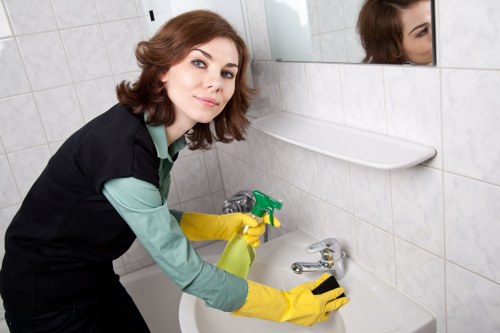
Some of the best results from deep cleaning come from addressing the places most people forget. These hidden areas often make the biggest difference in overall freshness. A few examples include:
- Behind and underneath large furniture
- Inside drawers, cabinets, and closets
- Light switches, doorknobs, and handles
- Air vents, fan blades, and ceiling corners
- Window tracks, sills, and screens
- Baseboards, trim, and door frames
- Under sinks and around plumbing fixtures
Taking time to clean these overlooked spaces transforms the feel of a room. That is why many people see deep cleaning as a reset rather than a chore. The results are visible, tangible, and long-lasting.
Professional deep cleaning often focuses on these details because they are easy to miss during routine upkeep. This is especially helpful in spaces that have not been cleaned thoroughly for a while or in properties that require a higher standard of presentation.
How Deep Cleaning Differs from Regular Cleaning
Regular cleaning is essential for day-to-day maintenance. It includes tasks such as vacuuming, wiping counters, sweeping floors, and cleaning visible surfaces. Deep cleaning goes much further by targeting buildup, hidden dirt, and neglected areas. In other words, regular cleaning maintains order, while deep cleaning restores the space.
A simple way to think about the difference is this: regular cleaning keeps the home livable, and deep cleaning makes it healthier and more refined. Both are important, but they serve different purposes. When combined, they create a more effective cleaning strategy overall.
Another important difference is the time investment. Deep cleaning usually requires more effort, more detail, and sometimes specialized tools or products. It is not about speed. It is about thorough results. This focus on depth is what gives deep cleaning its value.
Tools and Supplies That Help
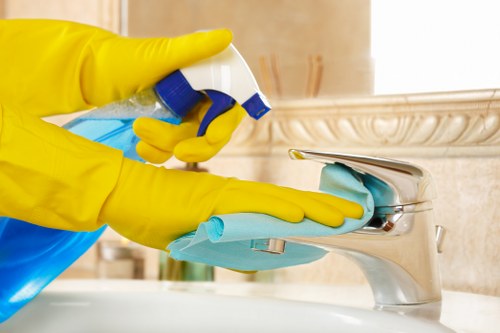
Having the right tools makes deep cleaning easier and more efficient. While basic supplies are often enough for everyday tasks, a deeper clean usually benefits from a more complete setup. Common items include microfiber cloths, scrub brushes, vacuum attachments, mops, buckets, sponges, gloves, and a range of cleaners suited for different surfaces.
Some areas may require specialized products. For example, a bathroom might need a mildew remover, while a kitchen could benefit from a degreaser. Glass cleaner, disinfectant, grout cleaner, and upholstery-safe solutions may also be useful depending on the project. Choosing the right products matters because not all surfaces respond the same way.
It is always wise to read labels carefully and test products in a small area first. Deep cleaning should improve the condition of your home, not damage finishes or fabrics. Using the correct method for each surface helps preserve quality while delivering excellent results.
Step-by-Step Approach to Deep Cleaning
Although every space is different, a structured approach makes deep cleaning much easier. Start by decluttering so that surfaces are accessible. Removing unnecessary items allows you to clean more effectively and prevents you from simply moving dust around. This first step may seem basic, but it makes a huge difference.
Next, work from top to bottom. Clean ceiling fans, shelves, and upper surfaces before moving to lower areas. This method ensures that dust and debris fall downward and can be removed later. It is one of the most practical strategies for deep cleaning because it saves time and improves overall results.
After that, focus on one room or zone at a time. For example, you might complete the kitchen before moving to bathrooms, then living areas, then bedrooms. A room-by-room approach keeps the process organized and manageable, especially for larger homes.
Deep Cleaning the Kitchen in Detail
A kitchen deep cleaning session often begins with emptying surfaces and clearing out expired food. Once the space is open, wipe shelves, scrub cabinet fronts, clean appliance exteriors, and disinfect handles. Do not forget the small spaces where crumbs and grease tend to hide.
The oven, stove, and microwave deserve special attention. These appliances are frequently exposed to splatter and buildup, and neglecting them can lead to odors and stains. Deep cleaning also includes the sink, faucet, and drain area, where residue and bacteria can accumulate over time.
To finish, mop the floor carefully, move items back in an organized way, and ensure all surfaces are dry. A properly completed kitchen deep cleaning can make the entire home feel fresher because the kitchen often influences the overall scent and cleanliness of the space.
Deep Cleaning Bathrooms for a Fresher Feel
Bathroom deep cleaning requires patience and attention to detail. Start with mirrors, shelves, and counters, then move to the sink, toilet, tub, and shower. Scrub tile grout, polish fixtures, and clean around the base of the toilet where dust and residue often gather.
Ventilation matters as well. If possible, address exhaust fans and areas around windows to reduce moisture buildup. This helps prevent mildew and keeps the room feeling cleaner for longer. Deep cleaning in bathrooms is not only about appearance; it is also about controlling the conditions that allow grime and odors to return.
To maintain results, use regularly scheduled upkeep between deep cleaning sessions. Even a few minutes of daily wiping can reduce the amount of work needed later.
Bedrooms, Living Rooms, and Shared Spaces
Bedrooms and common areas benefit greatly from deep cleaning because they are used often and can collect dust quickly. In bedrooms, focus on mattresses, bed frames, under-bed storage, nightstands, closets, and curtains. Vacuuming upholstery and refreshing linens also contributes to a cleaner environment.
Living rooms and family rooms usually need attention around sofas, entertainment centers, decor, and electronics. Dusting shelves, cleaning behind cushions, and vacuuming floor edges can make a noticeable difference. These spaces are often central to daily life, so keeping them fresh matters.
Deep cleaning shared spaces also improves how they feel to visitors. A living room that has been deeply cleaned looks brighter and more organized, even before new decor is added. This is one reason many people schedule deep cleaning before entertaining or hosting gatherings.
Deep Cleaning for Allergies and Sensitive Environments
For households that struggle with allergies, asthma, or other sensitivities, deep cleaning can be a powerful support tool. Dust, pet hair, mold particles, and pollen often settle in fabrics and hidden areas. Removing these irritants can help reduce symptoms and make a home feel more comfortable.
Focus on soft surfaces such as carpets, rugs, curtains, and upholstered furniture. These materials can trap allergens even when the room looks clean. Using vacuum attachments, steam cleaning when appropriate, and frequent dusting are useful strategies in a deep cleaning plan designed for sensitive households.
Air filters, vents, and fans should also be included. Clean airflow supports better indoor comfort and helps the rest of the home stay fresher for longer.
Seasonal Deep Cleaning Ideas
Seasonal deep cleaning is a practical way to keep your home in strong condition throughout the year. In spring, many people focus on dust removal, window cleaning, and refreshing fabrics. In summer, kitchens and entryways may need extra care due to increased traffic and outdoor activity. Fall often brings attention to storage areas, vents, and comfort-focused spaces. Winter may call for sanitation, clutter control, and maintaining a cozy, dust-free atmosphere.
Rather than treating deep cleaning as a one-time event, seasonal planning spreads the work across the year. This makes it easier to manage and helps your home stay cleaner between major efforts. Deep cleaning works best when it is consistent, intentional, and matched to the season.
Why Professional Deep Cleaning Can Be Worth It
Although many tasks can be handled independently, professional deep cleaning offers convenience, efficiency, and expert-level attention. Trained cleaners know how to approach different surfaces, which products to use, and how to work systematically through a property. This can be especially useful for busy households, large homes, or spaces that need extra attention.
Professional deep cleaning services may also save time. Instead of spending an entire weekend tackling every room, you can focus on your schedule while specialists handle the work. This can be particularly valuable during moves, after events, or before important deadlines.
Another benefit is consistency. A thorough team often follows a detailed process that ensures no critical area is missed. For many property owners, that level of reliability makes professional deep cleaning a smart investment.
How to Maintain Results After Deep Cleaning
Once a space has been deeply cleaned, maintenance becomes much easier. Small daily habits can help preserve the results. Wiping counters, putting items away, vacuuming high-traffic areas, and taking out trash regularly all support a cleaner environment.
It is also helpful to set a simple schedule for recurring tasks. For example, you might rotate rooms each week, clean vents monthly, and schedule larger deep cleaning sessions every season. This approach reduces buildup before it becomes difficult to manage.
When a home is maintained well, deep cleaning no longer feels like a huge burden. Instead, it becomes a regular part of keeping the property healthy, attractive, and comfortable.
Practical Deep Cleaning Tips for Better Results
Success with deep cleaning often depends on preparation and pacing. It helps to set realistic goals, gather supplies beforehand, and divide the work into smaller tasks. Trying to do everything at once can be exhausting, while a structured plan makes the process more achievable.
- Start with clutter removal before cleaning surfaces
- Use one room at a time to stay organized
- Work from top to bottom to avoid double work
- Choose products suitable for each surface
- Pay attention to edges, corners, and hidden spaces
- Finish by refreshing floors and high-touch areas
These small habits improve both speed and quality. They also help ensure that deep cleaning delivers the level of freshness and sanitation people expect.
Deep Cleaning as Part of a Better Lifestyle
At its best, deep cleaning is not just about appearances. It supports a better lifestyle by creating order, reducing stress, and improving how a space feels day to day. Many people notice that a clean environment helps them think more clearly, relax more easily, and enjoy their home more fully.
A tidy and deeply cleaned space can also encourage better habits. When surfaces are clear and rooms are organized, it becomes easier to maintain momentum. This creates a positive cycle in which deep cleaning supports routine upkeep, and routine upkeep makes the next deep clean easier.
If your home feels overdue for attention, now is the perfect time to start. Choose one room, one surface, or one category of tasks and begin. Every step forward brings you closer to a cleaner, healthier living space.
Final Thoughts
Deep cleaning is one of the most effective ways to refresh a home, improve hygiene, and protect the condition of your living spaces. It goes beyond surface cleaning and targets the hidden buildup that affects health, comfort, and appearance. From kitchens and bathrooms to bedrooms and shared spaces, every area benefits from a more detailed approach.
Whether you choose to do it yourself or rely on professional help, deep cleaning offers lasting value. It enhances the look and feel of your home, supports a healthier environment, and helps you stay ahead of clutter and grime. If you want your space to look, smell, and feel better, deep cleaning services can make a noticeable difference.
Book your service now or contact us today to take the next step toward a cleaner, fresher space that feels truly renewed.