End of Tenancy Cleaning: Everything Tenants and Landlords Need to Know
Why End of Tenancy Cleaning Matters
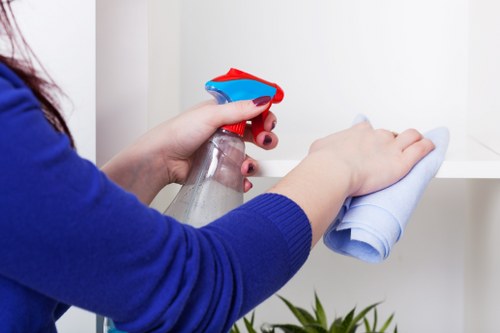
End of tenancy cleaning is one of the most important tasks at the end of a rental agreement. Whether you are a tenant hoping to secure your full deposit or a landlord preparing a property for new occupants, a thorough end of tenancy cleaning process helps ensure the property is left in excellent condition.
In many rental markets, a property must be returned in the same state of cleanliness it was in at the start of the tenancy, allowing for fair wear and tear. That means end of tenancy cleaning is not just about making a place look tidy; it is about meeting contractual obligations and avoiding disputes.
For tenants, the stakes are high. Missing key areas such as ovens, skirting boards, windows, carpets, or bathroom fixtures can lead to deductions from the deposit. For landlords and letting agents, a properly cleaned property makes re-letting faster and easier. In short, end of tenancy cleaning protects both sides and keeps the moving process smoother.
What End of Tenancy Cleaning Usually Includes

An effective end of tenancy cleaning service usually goes far beyond standard weekly cleaning. It is a deep, detailed clean that focuses on every room and surface. The aim is to restore the property to a condition suitable for inspection and handover.
Typical tasks in end of tenancy cleaning include cleaning kitchen appliances, degreasing worktops, scrubbing bathrooms, wiping down doors, removing dust from hard-to-reach places, and washing internal windows. Professional cleaners often follow a room-by-room checklist to make sure nothing is missed.
Common items included in end of tenancy cleaning are:
- Kitchen cupboards, drawers, and countertops
- Oven, hob, extractor fan, and fridge
- Bathroom tiles, taps, toilet, shower screen, and sink
- Light switches, sockets, skirting boards, and doors
- Vacuuming and stain removal for carpets
- Mopping floors and polishing hard surfaces
How End of Tenancy Cleaning Helps Tenants
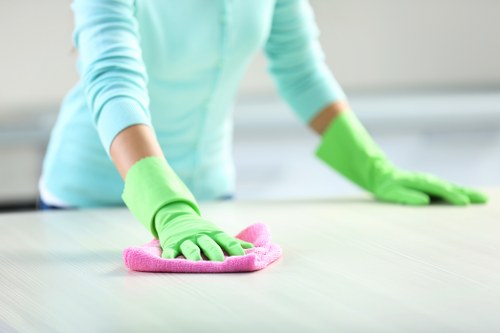
Tenants often face a long list of tasks when moving home, from packing and transportation to utility transfers and address changes. Adding end of tenancy cleaning to that list may feel overwhelming, but it is one of the smartest steps a tenant can take.
A proper end of tenancy cleaning helps reduce the risk of deposit disputes. Many tenancy agreements require tenants to leave the property clean and ready for inspection. If the cleaning standard is poor, the landlord or letting agent may hire a professional service and deduct the cost from the deposit. In some cases, this can be more expensive than arranging the cleaning yourself.
There is also a practical advantage. When you clean thoroughly before handing back the keys, you make moving day less stressful. You avoid last-minute panic and can focus on settling into your new home. A well-executed end of tenancy cleaning can make the handover process faster, calmer, and more professional.
How Landlords Benefit from End of Tenancy Cleaning
Landlords also gain significant value from end of tenancy cleaning. A clean, fresh property is more attractive to prospective tenants and can reduce the time between tenancies. This is especially important in competitive rental areas where presentation influences demand.
When a property is professionally cleaned, it creates a better first impression during viewings. Clean kitchens, spotless bathrooms, and dust-free living spaces help potential renters see the home in its best light. This can support faster re-letting and may even justify stronger rental appeal.
In addition, end of tenancy cleaning can help preserve the condition of fixtures and fittings. Regular deep cleaning removes grime before it becomes harder to remove, which supports long-term maintenance. Landlords who prioritise end of tenancy cleaning also reduce the likelihood of complaints from incoming tenants.
Deep Cleaning vs Regular Cleaning

Many people assume that regular cleaning and end of tenancy cleaning are the same thing, but they are quite different. Routine cleaning is usually about maintaining day-to-day tidiness, while deep cleaning targets neglected areas and built-up dirt.
End of tenancy cleaning is much more detailed. It involves moving beyond visible surfaces and tackling hidden grime in places such as behind appliances, inside cupboards, around taps, and along edges where dust gathers. This is why professional cleaners often use specialised equipment and products for stubborn stains and heavy buildup.
To understand the difference more clearly, consider this simple comparison:
- Regular cleaning: dusting, vacuuming, wiping counters, and basic bathroom tidying
- Deep cleaning: limescale removal, grease cutting, steam cleaning, and detailed sanitation
- End of tenancy cleaning: a property-wide deep clean designed for handover and inspection
Rooms That Need the Most Attention
Every room matters during end of tenancy cleaning, but some areas require extra focus because they are more likely to collect dirt and cause inspection issues. Kitchens and bathrooms usually top the list.
The kitchen is often the most demanding area. Grease builds up on ovens, hobs, splashbacks, and extractor fans. Cupboards can collect crumbs and sticky residue, while sinks and taps may show limescale or food stains. A strong end of tenancy cleaning routine will target all of these surfaces carefully.
Bathrooms also need a detailed approach. Soap scum, mould, watermarks, and limescale are common problems. Toilet bases, shower screens, tiles, and grout lines should be scrubbed thoroughly. End of tenancy cleaning in bathrooms should leave the room sanitary, bright, and odour-free.
Living Areas and Bedrooms

Although kitchens and bathrooms tend to get the most attention, living rooms and bedrooms are equally important in end of tenancy cleaning. These spaces often show signs of dust accumulation, carpet wear, and marks on walls or furniture.
Bedrooms should be cleaned from top to bottom. This includes dusting wardrobes, wiping internal windows, cleaning skirting boards, removing cobwebs, and vacuuming under beds where possible. If carpets are present, stain treatment and thorough vacuuming are essential parts of end of tenancy cleaning.
Living rooms need similar care. Switches, remote controls, shelves, window ledges, and door frames often gather dust unnoticed. A neat and well-cleaned living area helps the entire property look cared for and ready for the next occupant. End of tenancy cleaning should leave these rooms fresh and presentable.
Why Professional End of Tenancy Cleaning Is Worth Considering
Some tenants prefer to handle the cleaning themselves, but many choose a professional end of tenancy cleaning service for convenience and peace of mind. A trained team knows what landlords and agents commonly inspect and can clean efficiently to a high standard.
Professional cleaners usually bring the right tools and products for stubborn dirt, including degreasers, descalers, steam cleaners, and carpet treatment solutions. This is particularly useful when the property has not been deeply cleaned for a long time. With professional end of tenancy cleaning, there is less risk of missing important areas.
Another major advantage is time. Moving house can be exhausting, and cleaning an entire property properly takes hours. Hiring professionals allows you to focus on packing, travel, and paperwork while the cleaning is handled systematically. For many people, end of tenancy cleaning is an investment in convenience and confidence.
What to Check Before Booking a Cleaning Service
If you decide to book a professional end of tenancy cleaning service, it is helpful to check what is included. Not all services cover the same tasks, and some may charge extra for carpets, ovens, or appliances. Reading the checklist in advance avoids surprises.
Look for a service that offers a detailed scope of work and clear expectations. A trustworthy end of tenancy cleaning provider should explain whether they bring equipment, whether cleaning products are included, and whether their service is suitable for landlord inspections.
Before booking, consider the following:
- Does the service include all rooms and fixtures?
- Are carpets, ovens, and upholstery included?
- Is there a re-clean policy if something is missed?
- How long will the cleaning take?
- Is the service tailored to tenancy handover requirements?
Preparing Your Home for End of Tenancy Cleaning
To get the best result from end of tenancy cleaning, a little preparation goes a long way. If possible, remove all personal belongings before the cleaning begins. Empty cupboards, clear shelves, and take down items that might get in the way.
It is also wise to defrost the fridge and freezer in advance if they are included in the service. This helps cleaners work more efficiently and ensures a better finish. Likewise, if furniture is being left behind, move it away from walls where possible to give access for deep cleaning.
A prepared property makes end of tenancy cleaning quicker, easier, and more thorough. When cleaners can reach all relevant surfaces, the final result is much better. This simple step can make a noticeable difference to the inspection outcome.
Common Mistakes to Avoid
Even with the best intentions, some people make mistakes during end of tenancy cleaning. One common issue is focusing only on visible dirt and forgetting hidden areas. Inspection checks often reveal dust on top of cupboards, behind radiators, or along door frames.
Another mistake is leaving the job too late. A rushed end of tenancy cleaning often leads to missed spots, tiredness, and poor results. Starting early gives you time to clean properly, gather any missing supplies, and repeat areas that need extra work.
Other mistakes include using the wrong products, neglecting limescale buildup, and forgetting appliance interiors. To improve your chances of success, use a structured checklist and inspect each room carefully once the work is complete. A disciplined approach to end of tenancy cleaning saves time and prevents disputes.
SEO-Friendly Reasons People Search for End of Tenancy Cleaning
Search interest in end of tenancy cleaning remains strong because renters and landlords need fast, reliable solutions when a lease ends. Many people search for related terms such as move-out cleaning, rental property cleaning, vacate cleaning, and deep clean before moving out.
These searches often happen during a stressful period, so people want practical answers. They are looking for information on deposit return, cleaning standards, inspection readiness, and whether professional help is worth it. This is why content about end of tenancy cleaning should be clear, useful, and focused on real outcomes.
For search visibility, using natural variations helps the content reach a wider audience. Phrases like final tenancy cleaning, move-out cleaning service, and rental handover cleaning can support discoverability while keeping the text readable and relevant.
When Is the Best Time to Clean?
The best time for end of tenancy cleaning is usually after all belongings have been removed. This allows cleaners to access every area and prevents dust or debris from being spread after the work is done.
If you are cleaning the property yourself, aim to start as soon as packing is complete. Clean room by room, beginning with areas that are used least often. This method keeps the process organised and reduces the chance of forgetting key tasks. A well-timed end of tenancy cleaning routine is much more effective than trying to do everything at the last minute.
For professional bookings, schedule the service close to the final handover date, but leave enough time to inspect the work. This way, any small issues can be resolved before the keys are returned. Good timing is an important part of successful end of tenancy cleaning.
End of Tenancy Cleaning Checklist
A detailed checklist can make end of tenancy cleaning far more manageable. It helps ensure that nothing important is overlooked and gives you a sense of progress as each task is completed.
Here is a practical checklist you can use:
- Remove all personal items and rubbish
- Dust ceilings, corners, light fittings, and vents
- Wipe doors, handles, switches, and sockets
- Clean inside and outside cupboards
- Degrease kitchen surfaces and appliances
- Scrub bathroom fixtures and remove limescale
- Vacuum carpets and edges
- Wash hard floors and skirting boards
- Clean windows, sills, and ledges
- Check for missed marks, stains, and odours
Using a checklist supports a more organised end of tenancy cleaning process and improves the chance of meeting inspection expectations.
How to Make the Property Feel Fresh Again
Freshness matters in end of tenancy cleaning. A property may look clean but still feel stale if odours, grease, or dampness remain. That is why scent, airflow, and attention to detail matter just as much as visible cleanliness.
Opening windows during the cleaning process can help air out the property. Removing old food residues, emptying bins, and cleaning drains also makes a big difference. In kitchens and bathrooms especially, lingering smells can affect the overall impression even if surfaces appear spotless. A successful end of tenancy cleaning should leave the property feeling welcoming and hygienic.
Small finishing touches matter too. Polished taps, streak-free glass, and neatly cleaned edges create a strong visual effect. The goal is to leave the home looking move-in ready. That is the real value of thorough end of tenancy cleaning.
Final Thoughts on End of Tenancy Cleaning
End of tenancy cleaning is more than a routine chore. It is a crucial part of the moving process that supports fair deposit returns, smooth inspections, and positive handovers. Whether you clean yourself or hire professionals, the aim is the same: leave the property in excellent condition.
For tenants, a thorough end of tenancy cleaning can reduce stress and help avoid unnecessary deductions. For landlords, it helps prepare the property for its next chapter. In both cases, attention to detail matters. The cleaner the property, the easier the transition for everyone involved.
If you are preparing to move, do not leave cleaning until the last minute. Use a structured plan, focus on the key areas, and make sure every room gets proper attention. When done well, end of tenancy cleaning can make a significant difference to the final outcome. Book your service now or contact us today to make your move smoother and less stressful.