Regular Cleaning in Modern Homes and Businesses: Why It Matters Every Day
Understanding the Value of Regular Cleaning
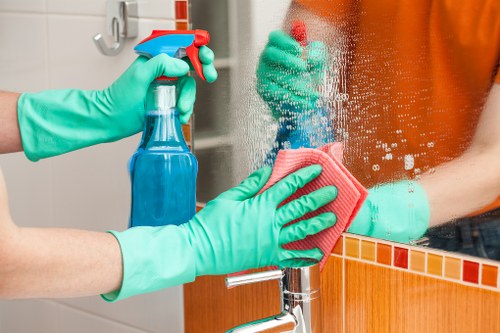
Regular cleaning is more than a chore; it is a practical habit that supports health, comfort, appearance, and long-term property care. Whether in a home, office, retail store, or shared building, consistent cleaning creates a space that feels organized, welcoming, and safe. When cleaning is done on a steady schedule, dirt never gets the chance to build up, odors stay under control, and surfaces remain easier to maintain.
Many people think of cleaning as something to do only when a space looks dirty, but that approach often leads to bigger problems. Dust accumulates in hard-to-reach places, bacteria can spread on frequently touched surfaces, and stains become harder to remove. With regular cleaning, these issues are addressed before they turn into costly or time-consuming concerns.
It also has a noticeable effect on daily life. A clean environment can support better focus, improve mood, and reduce stress. In homes, it helps families enjoy their living spaces more fully. In workplaces, it helps employees stay productive and visitors feel confident in the business. In every setting, cleanliness is part of the experience.
Why Regular Cleaning Should Never Be Overlooked
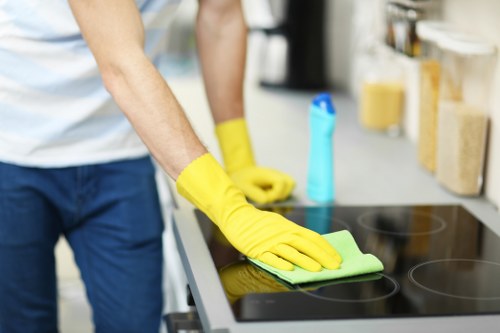
One of the strongest reasons to prioritize regular cleaning is prevention. When small tasks are handled consistently, they reduce the need for deep cleaning and major restoration later. For example, wiping down kitchen counters daily prevents grease from hardening, while vacuuming floors often keeps dust and allergens under control. These simple routines save time in the long run and help maintain a healthier environment.
Another major benefit is preservation. Floors, upholstery, tiles, and fixtures last longer when they are cared for properly. Dirt and debris can cause surfaces to wear down faster, and moisture that is left unattended can lead to stains, mildew, or even structural damage. Routine care protects your investment by keeping materials in good condition for years.
There is also the matter of presentation. A neat and clean space makes an immediate impression. In businesses, customers often associate a tidy environment with professionalism and reliability. In homes, regular cleaning makes rooms more inviting and more comfortable for guests and family members alike.
Key advantages at a glance
- Helps reduce dust, allergens, and germs
- Keeps surfaces and fixtures looking their best
- Supports better indoor air quality
- Prevents buildup that can require heavy scrubbing
- Creates a more pleasant atmosphere for daily living
Regular Cleaning and Health Benefits

Health is one of the most important reasons to maintain regular cleaning habits. Dust, pet dander, pollen, and other airborne particles settle on surfaces and can circulate through the air when rooms are not cleaned often. This can be especially problematic for people with allergies, asthma, or sensitivities to indoor irritants. A cleaner space helps minimize these triggers and supports easier breathing.
High-touch areas deserve special attention. Doorknobs, light switches, counters, desks, faucets, and remote controls can collect germs quickly. Wiping these areas on a consistent schedule lowers the chance of spreading bacteria and viruses. Regular cleaning is not a replacement for hygiene practices, but it works hand in hand with them to support a healthier environment.
Clean spaces can also influence mental well-being. Clutter and mess often create feelings of tension or overwhelm, while clean surroundings make it easier to relax and concentrate. Many people find that routine cleaning gives them a sense of control and order, which can reduce stress in busy households and workplaces.
Health-focused cleaning priorities
- Disinfect high-touch surfaces
- Vacuum carpets and rugs regularly
- Dust shelves, vents, and corners
- Wash linens, towels, and frequently used fabrics
- Keep kitchens and bathrooms sanitized
How Regular Cleaning Supports Property Value
Property owners often underestimate how much regular cleaning contributes to long-term value. A well-maintained home or commercial building is generally more appealing to buyers, renters, and visitors. Clean flooring, polished fixtures, and fresh-smelling rooms create the impression that the property has been carefully cared for. That impression can influence both marketability and perceived value.
Neglected cleaning, on the other hand, can lead to visible damage. Grime in bathrooms, stains on carpets, mold in damp areas, or grease in kitchens can all reduce a property’s appeal. Over time, these issues may result in expensive repairs or replacement costs. Consistent maintenance is often much cheaper than waiting until problems become severe.
For landlords and property managers, regular cleaning can also improve tenant satisfaction. People are more likely to respect and remain in a clean environment. For homeowners, it helps preserve pride in the property and reduces the likelihood of last-minute scrubbing when guests or inspections are scheduled.
Areas that benefit most from routine care
- Bathrooms and kitchens
- Carpets, rugs, and upholstered furniture
- Windows, blinds, and vents
- Entryways and hallways
- Appliances and shared surfaces
Creating a Practical Regular Cleaning Routine

A successful regular cleaning routine does not need to be complicated. In fact, the best systems are usually simple, realistic, and easy to follow. The key is consistency. By breaking tasks into daily, weekly, and monthly categories, cleaning becomes manageable instead of overwhelming. A structured routine also helps ensure nothing is forgotten.
Daily tasks should focus on maintenance. These are the small actions that keep the environment fresh and organized. Examples include wiping counters, loading dishes, taking out trash, sweeping high-traffic areas, and tidying clutter. Weekly tasks can cover deeper attention such as vacuuming, mopping, bathroom cleaning, and dusting. Monthly tasks often include washing baseboards, cleaning appliances, checking vents, and wiping down less visible areas.
Some households and businesses prefer assigning responsibilities by room or by person. Others use checklists or rotating schedules. The best method is the one that is easiest to maintain over time. Consistency matters more than perfection. Even a simple plan can dramatically improve cleanliness if it is followed regularly.
Sample routine structure
- Daily: wipe surfaces, tidy rooms, handle trash
- Weekly: vacuum, mop, sanitize bathrooms, dust furniture
- Monthly: clean appliances, wash windows, detail corners
- Seasonally: rotate storage, deep clean fabrics, inspect hidden areas
Regular Cleaning in Kitchens and Bathrooms
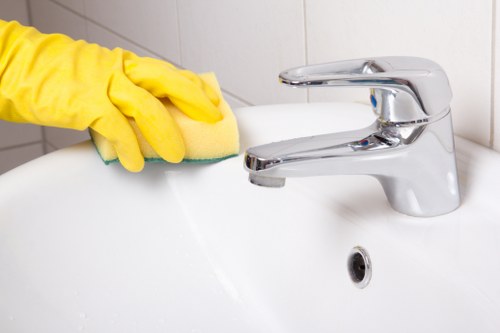
Kitchens and bathrooms require special attention because they are among the most heavily used areas in any property. Regular cleaning in these spaces helps maintain hygiene, control odors, and prevent the buildup of soap scum, grease, and moisture. Since both rooms often involve water, food, or bodily contact, they can become breeding grounds for bacteria if neglected.
In kitchens, it is important to wipe down food preparation surfaces after use, clean spills quickly, and remove crumbs that attract pests. Sinks, stovetops, and appliance handles should be cleaned frequently. Refrigerators, microwaves, and trash bins also need routine care to prevent odors and contamination. A clean kitchen supports safer food handling and a more enjoyable cooking experience.
Bathrooms benefit from regular scrubbing of sinks, toilets, showers, tubs, mirrors, and floors. Moist areas should be dried properly to reduce the risk of mold and mildew. Towels and bath mats should be washed often, and toiletries should be organized to keep the room neat. Strong cleaning habits in these spaces make a major difference in overall hygiene and comfort.
Important kitchen and bathroom tasks
- Disinfect counters and sinks
- Remove soap residue and grease
- Clean mirrors and glass surfaces
- Check for moisture buildup
- Replace or wash cleaning cloths regularly
Regular Cleaning for Offices and Commercial Spaces
In professional settings, regular cleaning is directly connected to productivity and brand image. Employees are more likely to stay focused in an orderly environment, and clients or customers feel more comfortable in a space that looks cared for. Clean offices also support better morale, as people generally prefer working in places that feel fresh and organized.
Commercial cleaning needs often include desks, reception areas, restrooms, break rooms, floors, and shared equipment. Dust can accumulate quickly in office environments, especially around computers, vents, and shelves. High-traffic areas may need more frequent attention to prevent a worn or neglected appearance. A routine approach helps businesses maintain a professional standard without interrupting daily operations.
For retail spaces, cleanliness can affect sales. Customers are more likely to browse longer and trust the quality of products when the environment is spotless. For service-based businesses, cleanliness communicates care and attention to detail. In every case, regular maintenance helps strengthen reputation and customer confidence.
- Improves first impressions
- Supports employee well-being
- Reduces visible dust and clutter
- Helps maintain a professional atmosphere
- Encourages better workplace organization
How Regular Cleaning Saves Time and Money
At first glance, cleaning may seem like an added task, but regular cleaning often saves both time and money. Small, consistent efforts prevent dirt from becoming deeply embedded and reduce the need for expensive fixes. For example, a stain treated immediately is much easier to remove than one left for weeks. Likewise, wiping moisture from surfaces can help avoid damage that may require repair.
Time savings come from routine. When tasks are handled little by little, there is less pressure to spend hours on a large mess. A space that is cleaned frequently is faster to maintain because the buildup never becomes overwhelming. This is especially helpful for busy families, property managers, and business owners who need efficient systems.
Money savings come from preserving materials and avoiding emergency services. Carpets last longer, furniture stays in better shape, and appliances work more efficiently when they are kept clean. In that sense, cleaning is not just maintenance; it is a smart financial habit that supports long-term value.
Practical cost-saving benefits
- Fewer deep-cleaning emergencies
- Lower risk of repairs from neglected dirt or moisture
- Extended lifespan of furnishings and finishes
- Reduced need for replacement products
- Better efficiency in daily upkeep
Best Practices for Maintaining a Clean Environment
To get the most from regular cleaning, it helps to follow a few proven best practices. First, use the right products for each surface. Not all materials respond well to the same cleaners, so checking labels and following instructions matters. Second, clean from top to bottom so dust and debris fall onto areas that have not yet been cleaned. This method is more efficient and avoids repeated work.
Third, keep tools organized and accessible. When cleaning supplies are easy to reach, people are more likely to use them. Store cloths, brushes, sprays, and vacuums in convenient places so quick tasks can be completed without delay. Fourth, focus on consistency over intensity. A few minutes each day often accomplish more than rare but exhausting cleaning sessions.
Finally, pay attention to areas that are often ignored. Behind appliances, under furniture, along baseboards, and around vents are places where dirt collects quietly. These hidden zones still affect overall cleanliness and should not be left out of the routine. Small details create the biggest difference in how a space looks and feels.
Smart habits to adopt
- Use labeled storage for supplies
- Set a simple weekly schedule
- Spot-clean spills immediately
- Refresh linens and fabrics often
- Inspect overlooked corners and hidden spaces
Choosing Between DIY and Professional Support
Many people handle regular cleaning on their own, and for everyday upkeep that can work well. However, there are times when professional support is valuable. Busy schedules, large properties, special surfaces, and deep-cleaning needs can make expert help a practical choice. Professional cleaners bring experience, equipment, and efficiency that can be difficult to match with household tools alone.
DIY cleaning is ideal for routine tasks and quick maintenance. It allows flexibility and can be tailored to personal preferences. Professional cleaning, on the other hand, can be especially useful for thorough sanitation, seasonal projects, move-in or move-out situations, and detailed work in high-traffic areas. Many homes and businesses use a combination of both approaches for the best results.
The right choice depends on your goals, your schedule, and the condition of the space. If keeping up with cleaning feels overwhelming, a service-based solution may help restore order and reduce stress. Book your service now if you need extra support keeping your space in top condition.
When professional help may be worth it
- Large homes or busy offices
- Persistent buildup or hard-to-remove stains
- Special cleaning needs for carpets or upholstery
- Seasonal deep cleaning projects
- Limited time for routine maintenance
Building a Cleaner Future with Regular Habits
In the end, regular cleaning is about more than appearance. It is a habit that supports healthier living, better organization, longer-lasting surfaces, and a more enjoyable atmosphere. Whether the space is residential, commercial, or shared, consistent cleaning creates a foundation for comfort and confidence. It is one of the simplest ways to improve how a property functions every day.
When people commit to steady maintenance, they often notice immediate benefits: less clutter, fewer odors, cleaner surfaces, and a calmer environment. Over time, those benefits grow. A clean space is easier to manage, easier to enjoy, and easier to present to others. That is why regular upkeep should be treated as an essential part of property care rather than an afterthought.
If your home or business could benefit from better routine maintenance, now is the right time to take action. Start with a manageable schedule, stay consistent, and adjust as needed. Contact us today to take the next step toward a cleaner, healthier, and more welcoming environment.
Regular cleaning remains one of the most effective ways to protect your space, support daily comfort, and maintain lasting value. With the right routine, every room can stay fresher, safer, and more inviting all year long.