Oven Cleaning in a Simple, Effective Way for a Fresher Kitchen
Keeping your kitchen spotless is about more than shiny countertops and tidy cabinets. A clean oven can make a big difference in how your kitchen looks, smells, and performs. When you invest time in oven cleaning, you help improve cooking results, reduce smoke, and create a more hygienic food prep environment. Whether you cook daily or only on weekends, oven cleaning should be part of your regular home care routine.
Many households delay oven cleaning because the job feels messy, time-consuming, or difficult. In reality, with the right approach, the process can be easier than expected. This article explains why oven cleaning matters, how to do it safely, which tools work best, and how to maintain your oven so heavy buildup does not return too quickly. If your goal is a cleaner, more efficient kitchen, this is the right place to start.
From stubborn grease to burnt food residue, ovens collect layers of grime over time. That buildup can affect heat distribution, cause unpleasant odors, and even lead to smoking while cooking. A consistent oven cleaning routine helps prevent those issues and supports better appliance performance. It also gives you confidence that the meals you prepare are being cooked in a cleaner environment.
Why Oven Cleaning Matters for Every Home
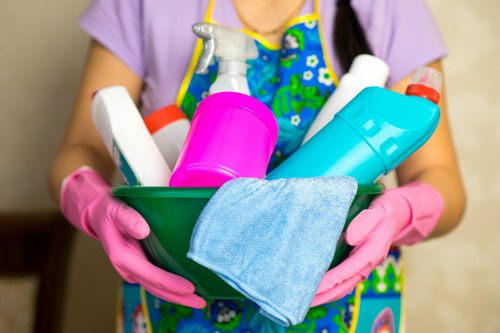
Oven cleaning is not only about appearance. It plays a major role in kitchen hygiene and appliance longevity. When grease, crumbs, and food spills stay inside the oven, they can harden under heat and become much harder to remove later. Regular oven cleaning keeps these deposits under control before they turn into a major problem.
A dirty oven may also produce smoke or strange smells when in use. This happens because leftover food particles burn at high temperatures. Over time, that smoke can affect the taste and smell of the food you cook. Clean oven surfaces help reduce the risk of unpleasant flavors transferring to meals, especially baked goods and roasted dishes.
There is also the practical side. Ovens with heavy buildup often need to work harder to maintain consistent heat. That can affect cooking times and results. Proper oven cleaning supports better efficiency, more even heating, and less strain on the appliance. For homeowners who want long-term value, routine care makes sense.
Signs Your Oven Needs Attention
It is not always obvious when an oven needs a deep clean. Some signs appear gradually, so it helps to stay alert. If you notice smoke, sticky residue, dark patches, or a burnt smell while preheating, your oven likely needs thorough cleaning. Another common sign is visible grease on the glass door or around the door seals.
- Smoke during normal cooking
- Burning odors even when the oven is empty
- Sticky or hardened residue inside the cavity
- Discolored racks and trays
- Uneven cooking or longer cooking times
When these issues appear, it is usually time for oven cleaning rather than waiting for the problem to get worse. The earlier you address buildup, the easier the job will be.
How to Prepare for Oven Cleaning
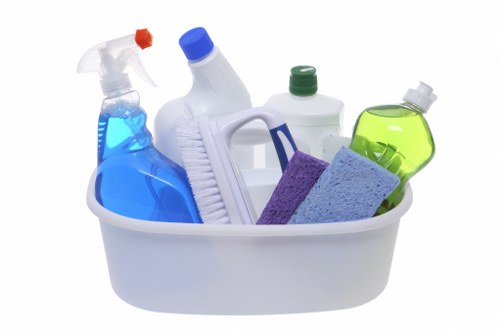
Preparation is an important part of effective oven cleaning. Before you begin, make sure the oven is fully cool and unplugged if possible. Remove all racks, trays, thermometers, pizza stones, and any other removable accessories. This gives you access to the full interior and makes cleaning more thorough.
You should also gather the right tools before starting. A well-prepared setup saves time and helps avoid damage to delicate surfaces. Common tools for oven cleaning include microfiber cloths, soft sponges, a plastic or silicone scraper, gloves, a small brush, and a non-abrasive cleaner. Some people prefer natural solutions, while others use commercial oven products. The key is choosing what is safe for your oven type.
Protect the surrounding area as well. Lay down towels or newspaper near the oven to catch drips or debris. If you are cleaning a built-in oven, open nearby windows for ventilation. Good airflow helps reduce exposure to fumes and makes the process more comfortable.
Tools and Materials You May Need
Different ovens and cleaning methods call for different supplies, but the list below covers most situations:
- Rubber gloves for hand protection
- Microfiber cloths for wiping and polishing
- Soft sponge or non-scratch scrub pad
- Plastic scraper for loose debris
- Warm water and mild dish soap
- Baking soda and vinegar for natural cleaning
- Commercial oven cleaner for heavy buildup
Choosing the correct products matters. Harsh materials can scratch surfaces or damage self-cleaning components. Always read your oven’s manual before using any oven cleaning solution for the first time.
Safe and Effective Oven Cleaning Methods
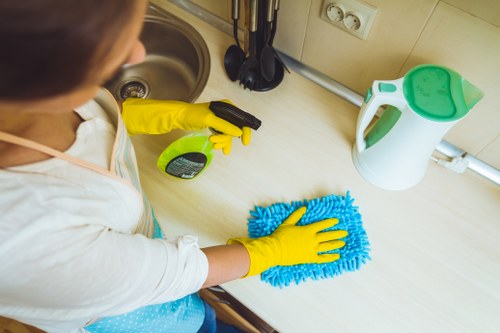
There are several ways to handle oven cleaning, and the best method depends on how dirty the oven is. Light maintenance may only require warm soapy water and a cloth. More stubborn grime may call for a baking soda paste, steam cleaning, or a commercial product designed for ovens.
One popular natural method is baking soda and water. Mix them into a spreadable paste, apply it to dirty areas, and let it sit for several hours or overnight. The paste helps loosen burnt residue without using strong chemicals. After the waiting period, wipe away the paste with a damp cloth and use a little vinegar to help remove leftover residue.
For heavier grease, a commercial oven cleaner may be more effective. These products are formulated to break down baked-on food and grease faster. However, they often require careful ventilation and safety precautions. Always follow the instructions closely, and never mix cleaning chemicals. Safe oven cleaning is just as important as effective cleaning.
Step-by-Step Oven Cleaning Process
To make the task more manageable, follow a simple sequence:
- Turn off the oven and let it cool completely.
- Remove racks, trays, and loose debris.
- Choose your cleaning method based on the oven’s condition.
- Apply the cleaner to interior surfaces, avoiding heating elements.
- Allow the product or paste to sit for the recommended time.
- Scrub gently with a non-abrasive sponge or cloth.
- Wipe away residue using clean water and dry the surfaces.
- Clean the racks separately and reinstall them once dry.
This simple method works well for many kitchens and helps keep oven cleaning efficient and structured.
Deep Oven Cleaning for Stubborn Grease and Burnt-On Residue
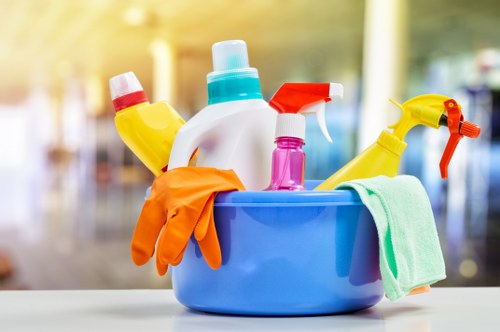
Sometimes regular maintenance is not enough, especially if the oven has been neglected for months. In that case, deep oven cleaning becomes necessary. Burnt-on residue often forms on the base, walls, corners, glass door, and rack supports. Tackling these areas may take more time, but the results are usually worth it.
Start with the worst spots first. A plastic scraper can help lift thick debris without scratching the surface. For tight corners, a small brush or old toothbrush may help reach around edges and seams. If you are using a paste or spray, allow enough time for the cleaner to soften the grime. Rushing the process usually means more scrubbing later.
Deep cleaning should also include the oven door glass. This area often traps grease and splatter, making the oven look dirtier than it is. A non-abrasive cleaner and microfiber cloth usually work well here. If residue is stubborn, repeat the cleaning cycle rather than using sharp tools. Oven cleaning should improve the appliance, not damage it.
What to Avoid During Deep Cleaning
To protect your oven, avoid these common mistakes:
- Using steel wool or harsh abrasive pads
- Spraying cleaner directly onto heating elements
- Forcing metal tools into seams or gaskets
- Mixing vinegar, bleach, and ammonia-based products
- Ignoring the manufacturer’s instructions
These mistakes can damage finishes, reduce oven performance, or create safety hazards. Careful oven cleaning is always the smarter choice.
Oven Cleaning for Different Oven Types
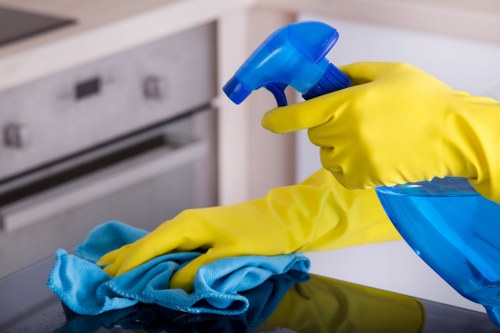
Not all ovens are built the same, so oven cleaning methods may need to vary. Conventional ovens, convection ovens, self-cleaning models, and steam ovens each have unique features. Understanding the type you own can help you avoid mistakes and get better results.
Conventional ovens usually handle standard cleaning methods well. These ovens often benefit from baking soda paste, mild degreasers, and occasional deep cleaning. Convection ovens, which include fans for better heat circulation, still need careful attention around vents and internal components. The fan area should be kept free of debris so the oven can circulate heat properly.
Self-cleaning ovens require a different approach. These models use extremely high temperatures to burn residue into ash. While that can reduce manual scrubbing, you still need to remove loose debris beforehand and clean up the remaining ash afterward. Never use commercial cleaners in a self-cleaning mode unless the manufacturer specifically says it is safe.
Steam and Easy-Clean Surfaces
Some ovens include steam-clean or easy-clean interiors. Steam-clean cycles can help loosen light residue, making oven cleaning quicker and less labor-intensive. Easy-clean surfaces are designed to resist sticking, but they still need regular wiping to prevent buildup.
Even with these features, maintenance remains important. A steam cycle may soften dirt, but it does not always remove every trace of grease. Think of these systems as helpful assistants rather than complete replacements for hands-on oven care.
Knowing your oven type makes your cleaning routine more efficient and helps preserve the appliance over time.
Natural Oven Cleaning vs Commercial Products
Homeowners often debate whether to use natural cleaning methods or store-bought products. Both options can work well for oven cleaning, depending on the level of grime and personal preference. Natural methods are popular for their simplicity and reduced chemical exposure. Commercial products are often faster and stronger.
Baking soda, vinegar, lemon, and warm water are common natural ingredients used in oven cleaning. They are ideal for routine maintenance and light-to-moderate dirt. These options are also budget-friendly and easy to find in most homes. However, they may require more time and elbow grease when buildup is thick.
Commercial oven cleaners are designed for serious grease and burnt-on spots. They work quickly, but they require caution. Good ventilation is essential, and gloves should always be worn. If you choose a stronger product, make sure it is compatible with your oven’s interior finish and safe for your appliance type.
Choosing the Right Option
The best choice depends on your needs:
- Natural methods for routine maintenance and light residue
- Commercial cleaners for stubborn grease and heavy buildup
- Steam cleaning for softening fresh splatter and light dirt
- Professional oven cleaning for very dirty, delicate, or neglected ovens
For many households, combining methods works best. For example, a natural cleaner may be used regularly, while a stronger product is reserved for seasonal deep cleaning.
How Often Should You Clean Your Oven?
The right schedule for oven cleaning depends on how often you cook and what you cook. A family that roasts, bakes, and broils several times a week will likely need more frequent attention than someone who only uses the oven occasionally. In general, light cleaning every few weeks and deeper cleaning every few months works well for many homes.
If spills happen often, clean them as soon as the oven cools. Fresh spills are much easier to remove than burned-on residue. Waiting too long allows grease to harden, which makes each cleaning session more demanding. Regular attention keeps buildup manageable and prevents odors from becoming a recurring issue.
For households with heavy usage, monthly oven cleaning may be ideal. For lighter usage, every two to three months may be enough. The key is consistency. A little maintenance goes a long way toward keeping your oven in good condition.
Maintenance Habits That Reduce Future Cleaning
Simple habits can reduce how often deep oven cleaning is needed:
- Wipe spills promptly after the oven cools
- Use baking trays or drip trays when appropriate
- Avoid overfilling casseroles and roasting pans
- Line the oven only if the manufacturer approves it
- Check food regularly to prevent boil-overs or splatters
These habits protect your oven and make every future cleaning session quicker and easier.
Why Professional Oven Cleaning Can Be Worth It
There are times when professional oven cleaning is the most practical choice. If the oven has severe grease buildup, damaged seals, hard-to-reach areas, or a strong burnt smell that won’t go away, a professional service can handle the job efficiently. This is especially useful when time is limited or the oven needs special care.
Professional cleaners often bring specialized tools and strong-but-safe products that tackle residue more effectively than typical household supplies. They also know how to handle delicate components and different oven styles. That can be a real advantage if you want detailed cleaning without the stress.
Many people assume professional services are only for extreme situations, but that is not always true. Even if your oven looks only moderately dirty, a professional clean can restore freshness and save you hours of effort. If you want a reliable finish and a cleaner cooking space, book your service now and enjoy the convenience.
When to Consider Expert Help
Professional support may be a good idea if:
- The oven has not been cleaned in a long time
- Smoke appears every time you cook
- There is thick carbonized residue
- The oven has a delicate finish or internal issue
- You want a faster, hands-off solution
For busy households, expert oven cleaning can be a practical investment in both comfort and hygiene.
Tips to Keep Your Oven Cleaner for Longer
Once the oven is clean, the goal is to keep it that way for as long as possible. Ongoing care does not need to be complicated. A few small actions after each use can dramatically reduce future buildup. This makes oven cleaning less demanding and helps your kitchen stay fresher overall.
Start by checking for spills while the oven is still warm, not hot. Wipe away soft residue before it hardens. Keep an eye on dishes that bubble over, and use pans that are large enough to catch drips. These small steps prevent grease from becoming baked into the oven interior.
It also helps to create a simple cleaning rhythm. For example, do a quick wipe once a week and a deeper clean when you notice residue building up. This habit keeps your oven presentable and reduces the amount of effort needed later.
Smart Ongoing Care Habits
Use these practical habits to make oven cleaning easier over time:
- Allow the oven to cool, then remove crumbs after cooking.
- Clean the door glass regularly to prevent visible streaks.
- Check racks and trays for grease before reuse.
- Ventilate the kitchen during baking and roasting.
- Schedule deeper oven cleaning before buildup becomes severe.
A cleaner oven supports better cooking results and makes the entire kitchen feel more pleasant.
Final Thoughts on Oven Cleaning
Oven cleaning is one of those tasks that pays off in several ways. It improves hygiene, helps your appliance work more efficiently, reduces unpleasant smells, and creates a more enjoyable cooking environment. Whether you prefer a natural method, a commercial product, or professional support, the most important thing is consistency.
By paying attention to early signs of buildup and cleaning your oven before grime becomes severe, you can avoid tough scrubbing and keep your kitchen in better shape. A clean oven is easier to use, more pleasant to cook with, and better for the long run. If your oven needs attention now, do not wait for the mess to get worse. Contact us today or book your service now and take the next step toward a cleaner kitchen.
With the right habits and a practical routine, oven cleaning becomes less of a chore and more of a simple part of home care. Your meals, your appliance, and your kitchen will all benefit from the effort.